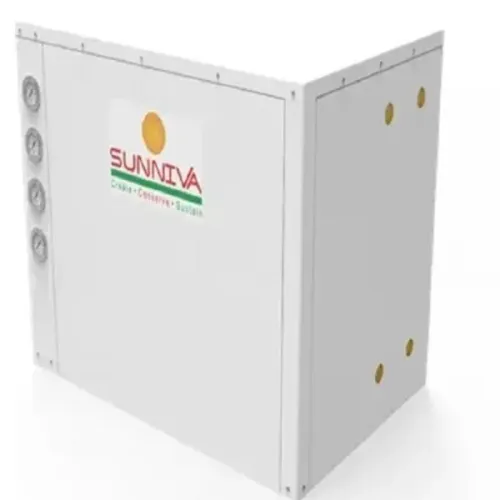
Industrial heating decisions should begin with the process requirement because temperature, load variation and operating schedules can directly influence system suitability.
For organisations evaluating Industrial Heat Pumps, the first step is identifying where useful thermal energy is required and defining the required inlet and outlet conditions. This provides a stronger technical foundation than selecting equipment based only on a broad application category.
Continuous processes and batch operations can produce very different heating profiles. A facility operating around the clock may require consistent thermal output, while batch production can create periods of high demand followed by lower-load conditions.
Temperature lift should also be examined. The difference between the available heat source and required process temperature can affect operating conditions and should be included when comparing potential configurations.
Integration is another important consideration. Depending on the process, the heat pump may need to connect with storage, heat exchangers, circulation systems or existing heating equipment. Controls and monitoring can also help operators understand performance under changing loads.
Industrial procurement teams should therefore prepare a clear application brief covering process temperatures, flow requirements, operating hours, expected load and installation constraints.
Planning industrial heating in Mumbai? Share your process temperatures, estimated heat load and operating schedule with SUNNIVA HEAT PUMPS to explore a technically relevant heat-pump configuration.