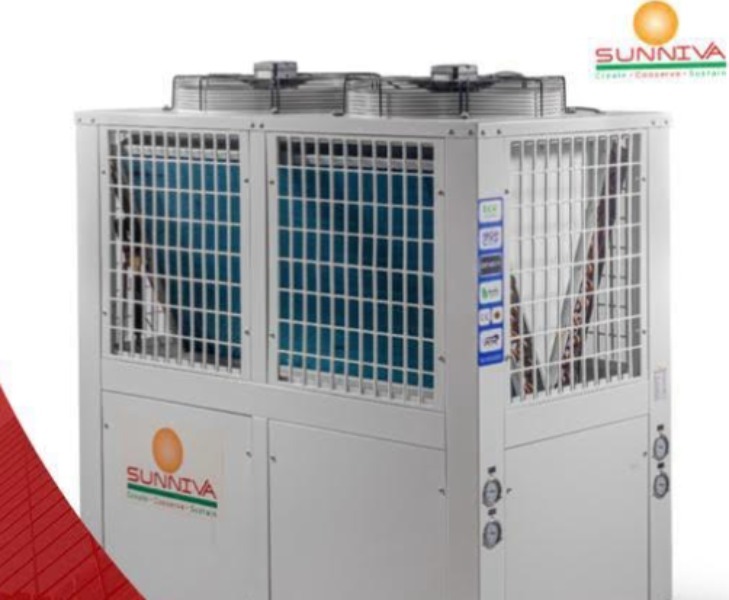
Dairy processing requires both cooling and heating, sometimes within the same production cycle. Milk needs rapid cooling and controlled storage, while cleaning, washing, pasteurisation support, and other processes require heated water.
This combination makes the dairy industry heat pump particularly interesting from an energy-recovery perspective.
Why Dairy Plants Consume Significant Thermal Energy
Typical dairy operations may require energy for:
- Milk chilling
- Cold storage
- Hot water generation
- Cleaning-in-place processes
- Container washing
- Pasteurisation-related processes
- Drying
- Facility sanitation
Traditionally, cooling and heating systems are often treated independently. This can result in one system rejecting heat while another simultaneously consumes energy to generate it.
How Heat Recovery Changes the Equation
Heat removed during refrigeration does not simply disappear. It is rejected to another environment.
Where temperatures and operating conditions are suitable, heat pump technology can capture lower-grade thermal energy and raise it to a more useful temperature.
The resulting heat may then support hot water generation or other appropriate dairy processes.
Evaluate Temperature Before Capacity
A common equipment-selection mistake is starting with machine capacity.
The better starting point is temperature.
Plant managers should identify the incoming water temperature, required outlet temperature, daily hot water volume, peak demand, and available heat-source temperature.
Once these values are understood, engineers can calculate the necessary heating capacity more accurately.
Storage Can Improve Performance
Hot water storage can help dairy plants manage variations between heat generation and consumption.
For example, useful heat may be available during refrigeration operation even when the plant's immediate hot water demand is relatively low. Insulated storage can preserve that energy for later use.
Dairy Processing Requirements in Maharashtra
Maharashtra has a substantial dairy and food-processing ecosystem, creating demand for equipment capable of supporting continuous industrial operation.
Sunniva Heatpumps manufactures heat pump systems for applications where process temperatures, capacity, heat sources, and operating schedules need to be considered together.
For dairy businesses evaluating energy efficiency, the most useful first exercise is a thermal-energy map of the facility. Identify where cooling rejects heat and where heating consumes energy.
When these requirements overlap effectively, heat pumps can help turn previously rejected thermal energy into a useful resource.