Steam remains fundamental to many industrial processes. Food processing, chemicals, pharmaceuticals, textiles, dairy operations, and other manufacturing sectors may depend on steam for heating, processing, cleaning, or production.
Advances in industrial heat pump technology have created growing interest in the steam heat pump as a method of upgrading recoverable heat for higher-temperature applications.
What Is a Steam Heat Pump?
Industrial heat pumps capture heat from a lower-temperature source and raise its temperature using a refrigeration or compression process.
Depending on the technology and system configuration, high-temperature thermal energy can then support steam generation or reduce the amount of additional energy required to produce steam.
The exact arrangement varies considerably by application.
Where Does the Input Heat Come From?
Potential sources can include:
- Process waste heat
- Warm wastewater
- Condenser heat
- Exhaust streams
- Refrigeration systems
- Low-temperature process fluids
A stable source of recoverable heat can substantially influence project feasibility.
When Does the Technology Make Sense?
Steam heat pumps deserve consideration where a plant simultaneously has useful waste heat and a regular requirement for higher-temperature process energy.
Important variables include source temperature, steam pressure, required steam temperature, operating hours, and annual steam consumption.
The temperature lift between the available source and required output is especially important because it influences system efficiency.
Integration With Existing Boilers
Adopting industrial heat pumps does not necessarily require immediate removal of existing boiler systems.
Depending on plant requirements, heat pumps may be integrated with existing equipment to provide preheating, base-load thermal energy, or part of the required steam generation.
This hybrid approach can also preserve backup capacity.
Industrial Relevance in Mumbai
Manufacturing operations across Mumbai and Maharashtra are increasingly examining ways to recover waste heat and reduce dependence on conventional process heating.
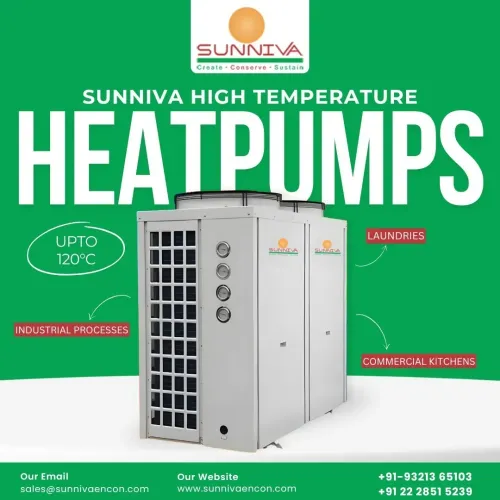
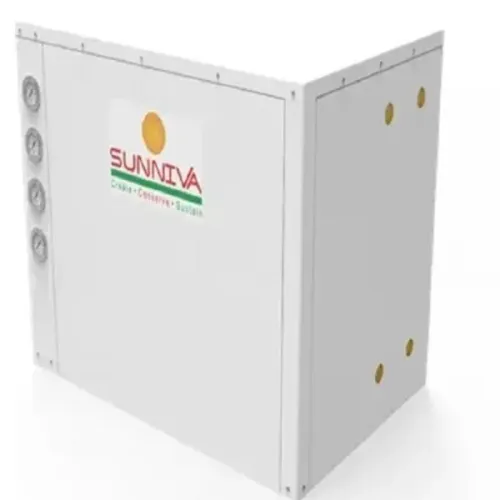
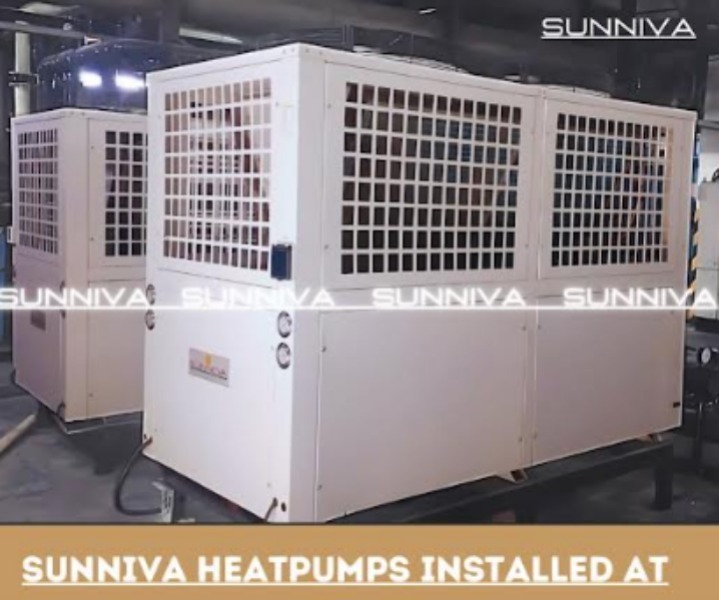
Sunniva Heatpumps develops industrial heat pump systems for applications requiring engineered temperature and capacity selection.
Steam heat pump technology should therefore be evaluated through a detailed thermal assessment rather than purchased as standard HVAC equipment.
Plants should first quantify their waste heat source, steam requirements, temperature levels, annual operating hours, and existing energy costs. These figures reveal whether high-temperature heat recovery has a strong technical and economic case for the facility.