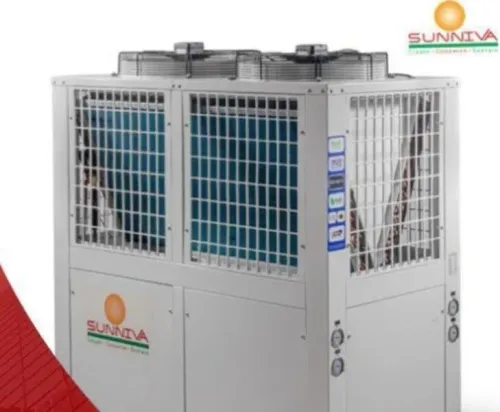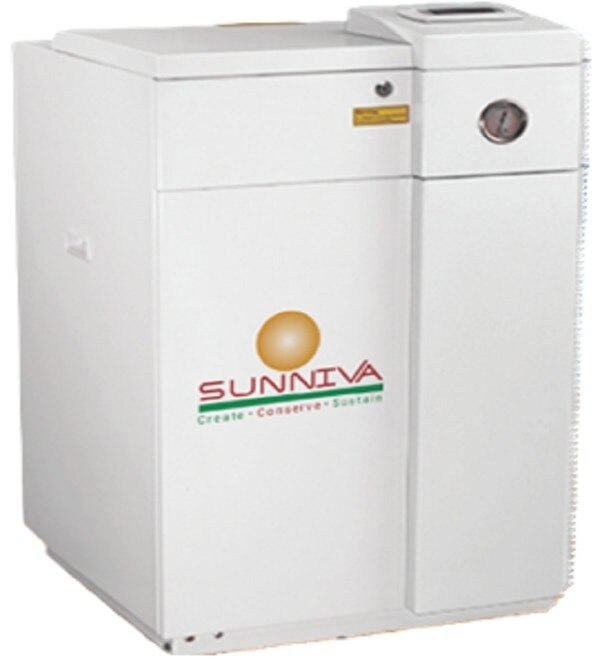
No hot water, slow recovery, unstable temperatures, rising electricity use, and repeated alarms can come from the storage tank, water circuit, controls, or the heat pump itself. By recording temperatures, flow, pressure, electrical current, and operating conditions in sequence, you can separate a hydraulic restriction from a sizing problem, sensor fault, refrigerant issue, or failed component.
Key takeaways
- Measure entering and leaving water temperatures and flow before replacing parts.
- Test tanks, pumps, valves, and distribution separately from the heat pump.
- Check source-side strainers, filters, valves, and heat exchangers for restrictions.
- Compare temperature lift, storage volume, recovery rate, and recirculation losses.
Start with the symptom and a complete operating snapshot
Measure actual source-side and load-side temperatures and flow before changing a component. This snapshot starts water source heat pumps troubleshooting because capacity and COP apply only at matching entering-water temperatures and flow. Producing 150°F water also creates far more temperature lift than space heating.
Record:
- Source entering and leaving water temperature, flow rate, pressure, and differential pressure.
- Load-side entering and leaving temperature, flow rate, tank temperature, and outlet setpoint.
- Compressor status, run time, pump status, error codes, and high-limit shutdowns.
- Electrical current, auxiliary-heater status, and control-stage sequence.
- Hot-water demand, recirculation temperature, and recovery time during a normal draw.
For commercial water heating problems, calculate delivered heat from measured flow and temperature difference. A large temperature difference does not prove good output; it can signal inadequate flow through a closed valve, blocked strainer, air pocket, failed valve, fouled exchanger, or wrong circulator.
Compare the result with compressor operation and electrical input before blaming the refrigerant circuit. Check whether the auxiliary heater is disabled and slowing recovery, or running continuously and hiding an undersized heat pump.
Also verify source-side freeze protection: loss of flow or inadequate antifreeze can damage the heat exchanger even while the compressor appears to run normally.
Separate the heat pump from tank, pump, valve, and distribution faults
A low outlet temperature does not prove heat-pump failure. Isolate the unit from storage and distribution, then compare entering and leaving temperatures, measured flow, source-water temperature, tank temperature, compressor status, electrical current, and recovery rate with design conditions.
Calculate delivered heat from flow and temperature difference; a large temperature difference with low flow indicates restriction, not strong heating.
- Heat pump: Confirm the compressor runs, the controller calls for heat, and source-side and load-side flow remain stable. Compare capacity only at the recorded entering-water temperatures and flow, not with a catalogue rating from different conditions.
- Storage tank: Measure temperature at the tank outlet and at several tank levels. A hot heat-pump outlet with a cold tank points to poor stratification, a faulty tank sensor, an open drain, or inadequate transfer inside the tank.
- Pump and strainer: Prove flow while every connected load operates. A pump that loses flow when another circuit opens, or a blocked strainer, can pass a basic flow-switch test while starving the heat exchanger.
- Valves and checks: Inspect the mixing valve, check valve, bypass, and isolation valves. Reverse flow or a bypass can send hot water back to the tank and leave fixtures cold.
- Distribution loop: Compare temperatures at the tank, loop return, and farthest outlet. A hot tank with a cold remote outlet identifies circulation, balancing, insulation, or piping loss rather than a heat-pump fault.
Review auxiliary-heater status and high-limit events too. Disabled backup heating causes slow recovery; continuous auxiliary operation can hide undersized water source heating systems and inflate power use during commercial water heating problems.
Find source-side restrictions before blaming the compressor
A running compressor does not prove that the heat pump has adequate source flow. In water source heat pumps troubleshooting, start with water movement and heat transfer; water source heat pumps do not use the outdoor-air defrost logic that applies to air-source units.
1. Measure actual source-side and load-side flow, pressure, entering temperature, leaving temperature, and differential temperature. Do not substitute circulator nameplate data. Check closed isolation valves, dirty strainers, air in the pipework, failed control valves, and an incorrectly selected pump.
2. Read the temperature pattern with the flow. A large temperature difference with low flow indicates restriction, not healthy capacity. Progressive recovery loss, rising condensing pressure, a larger heat-exchanger approach, and falling flow point to mineral scale or fouling, especially in open-loop groundwater systems.
3. Check freeze risk on closed loops by measuring source temperature, pressure, and glycol concentration. Excessive glycol raises viscosity and pumping demand; insufficient glycol permits freezing during a low-temperature event. Freezing can damage the heat exchanger while the compressor and controls continue running.
4. Compare every sensor with a calibrated thermometer and pressure gauge. A sensor that disagrees with the pipe temperature, gives an implausible fixed value, or changes intermittently can create false alarms and poor control.
5. Investigate refrigerant faults only after confirming flow, temperatures, and sensors. With normal hydraulic conditions, low delivered heat, abnormal superheat or subcooling, unusual compressor current, or a leak supports refrigerant diagnosis. Calculate heat rate from flow × specific heat × temperature difference; compare it with electrical input and the catalog rating point.
Check temperature lift, storage, recovery, and recirculation together
A heat pump recovers properly only when its available capacity exceeds the simultaneous recovery load. Raising water from approximately 50°F to a 140–160°F storage setpoint demands far more temperature lift than space heating, reducing efficiency and available capacity.
A small tank, high draw-off, or short recovery window can therefore create commercial water heating problems even when the compressor is operating normally.
Check these conditions together:
- Record source entering-water temperature, load-side entering and leaving temperatures, and flow on both circuits. Compare the measured heat rate with the manufacturer’s rating at the same conditions; catalog capacity is not transferable between operating points.
- Measure tank temperature during recovery and calculate the required recovery time from actual demand. Confirm that storage volume covers peak draw-off while the heat pump, booster, or staged electric resistance heater restores temperature.
- Verify the control sequence: heat pump stage, auxiliary heater, recirculation pump, and high-limit shutdown. A disabled booster slows recovery; a failed relay that runs the booster continuously can hide inadequate heat-pump capacity.
- Test recirculation return temperature, pump schedule, balancing valves, check valves, and pipe insulation together. An unbalanced loop running continuously adds a nearly constant load and can make a correctly sized unit miss setpoint.
- For closed-loop water source heating systems, check pressure, flow, and antifreeze concentration. Excess glycol increases viscosity and pumping power, reducing delivered capacity.
A large temperature difference does not prove good performance; inadequate flow can produce the same reading. Record compressor run time, electrical input, auxiliary status, and recovery rate before choosing a capacity or controls correction.
Use maintenance records to choose repair, cleaning, or redesign
A repeated result is the deciding evidence: clean or repair when flow, temperature, pressure, or electrical readings depart from the design condition and recover after correcting a specific fault. Choose redesign when the equipment meets its rated operating conditions but still cannot meet the building’s hot-water load or recovery time.
| Record pattern | Action | Why it matters |
|---|---|---|
| Source-side or load-side flow below design; strainer debris, closed valve, air, or failed circulator found | Clean or repair | Restoring flow can remove nuisance trips, poor recovery, and freeze risk |
| Heat-exchanger approach temperature rises over time while flow remains correct | Clean the heat exchanger | Fouling is restricting heat transfer, not proving compressor failure |
| Sensor reading disagrees with a calibrated thermometer, or a valve fails its command | Repair or replace the component | Bad feedback can cause short cycling, low temperature, or unstable operation |
| Flow, entering-water temperatures, pressure, glycol concentration, and electrical current match the design record, but recovery remains inadequate | Redesign capacity or storage | The unit is being judged at its proper operating point |
| High-temperature demand requires excessive lift, especially near 140–160°F storage | Redesign staging or add a booster | Final temperature rise can reduce heat-pump capacity and efficiency |
For water source heat pumps troubleshooting, compare every service visit with the commissioning record, not just the alarm code. Check the SUNNIVA HEAT PUMPS rating point against measured source temperature, load temperature, flow, and required recovery; a catalog capacity does not apply when those conditions differ.
Do not apply air-source defrost logic: investigate lost source flow and antifreeze concentration instead.
Related products
 | Commercial Heat Pumps ₹500000 Commercial Heatpumps How it works This series serves centralised hot water systems where a large storage tank feeds multiple outlets. View product → |
 | Water Source Heat Pumps ₹750000 How it works Rather than drawing heat from air, these units draw it from a water source — a lake, river, well, cooling tower loop or process water... View product → |
Frequently asked questions
What should you measure first when troubleshooting a commercial water source heat pump?
Record actual source-side and load-side entering and leaving temperatures, water flow, tank temperature, outdoor conditions, operating mode, and alarm codes before changing a component.
How can you tell whether the heat pump or another component is causing the fault?
Test the heat pump separately from the storage tank, circulation pump, control valve, mixing valve, sensors, and hot-water distribution system. A heat pump fault remains after those components deliver the required flow and control signals.
Why should you check source-side restrictions before blaming the compressor?
Blocked strainers, closed valves, fouled heat exchangers, air, and low pump flow reduce heat transfer and raise operating stress. Confirm source-side flow and temperature against the equipment requirements first.
How do temperature lift, storage, recovery, and recirculation affect commercial hot water?
Higher delivery temperatures increase temperature lift and reduce operating capacity. Compare the required 150°F outlet temperature with source temperature, tank volume, recovery rate, draw pattern, and recirculation losses as one system.